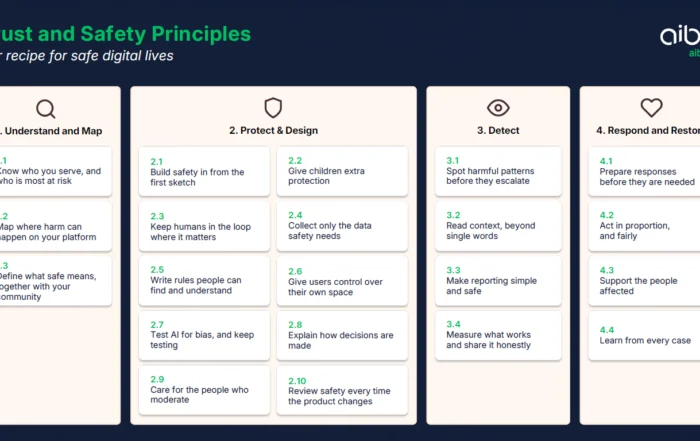
Trust and Safety has long sat on the defense side of the budget. Its job was to avoid lawsuits, satisfy regulators and keep the company out of the news. Necessary work, usually counted only as a cost.
That view is shifting. In CsuiteBrief, Adrien B. Diarra argues that safety can drive revenue as well as reduce risk. Protection against impersonation, scams, grooming and toxic behavior is now something users notice, and something they weigh when they decide where to spend their time.
Safety as a Product Feature
Users judge a platform on its content, gameplay and community, and increasingly on how safe it feels. Someone who gets scammed, has their account taken over or is harassed without any response rarely comes back. They also tell their friends.
The reverse works too. A platform that responds quickly, stops misbehavior and shows users it has their back earns loyalty. Users spend with more confidence, invite others and stay longer. At that point safety is part of the product promise, and it belongs on the product roadmap.

The business case
Trust and Safety budgets are usually judged by what they cost. Leaders get a fuller picture by asking what they return.
- Retention: Every harmful experience you prevent removes one reason to leave.
- Revenue: Users spend more where they feel secure.
- Brand equity: A reputation for safety attracts partners, advertisers and creators.
- Compliance insurance: Staying ahead of rules like the Digital Services Act avoids fines and expensive rebuilds later.
Each of these shows up in numbers leadership already tracks: retention, spend per user and partner pipeline. The case gets stronger once you start measuring it.
Where Aiba Fits
We built Amanda around this view of safety: protection that strengthens the community and the business at the same time.
Looking Ahead
Safety has become visible. Users notice when it works, and they notice even more when it fails. Platforms that treat it as a core part of the product will keep their users and win new ones.
Diarra expects the companies that treat safety as a growth lever to lead the next wave, and that matches what we see in our work with platforms. If you want your community to grow, put safety on the roadmap now.