A voice channel with ten thousand concurrent players cannot be moderated by a person with headphones. Neither can a comment section that gets a message every second. Trust and Safety teams in gaming and online communities are not short on effort. They are short on hours, and the volume keeps outpacing the headcount.
Regulation raised the stakes. The EU Digital Services Act and the UK Online Safety Act now require platforms to show their work: what got flagged, what got actioned, and why. Catching harmful content is no longer the whole job. The record has to hold up too.
We build moderation infrastructure ourselves, so treat this list accordingly. It covers ten tools that show up repeatedly in gaming and community moderation stacks, grouped by the problem each was built to solve rather than ranked. Figures come from vendor pages and public reporting at the time of writing. Where a number comes from a vendor’s own materials, that is noted. Where pricing is private, that is noted rather than guessed at.
Match the tool to the risk
Four distinct problems sit under the label “content moderation,” and most tools are built for one of them first.
- Voice chat toxicity needs a tool that hears tone and pacing. Transcripts lose the sarcasm and escalation that a voice model catches.
- High volume text and usernames need throughput that does not blow up cost per item.
- Regulatory reporting needs audit trails and Statements of Reasons, built in rather than bolted on.
- Behavior over time needs a system that reads a user’s history alongside any single message.
Most platforms have more than one of these. Few vendors cover all four well. The question worth asking is which risk is hurting you this quarter, and which tool was built for that risk first.


Quick Reference
| Product | Built for | Pricing |
|---|---|---|
| Modulate | Voice native toxicity detection | Not published |
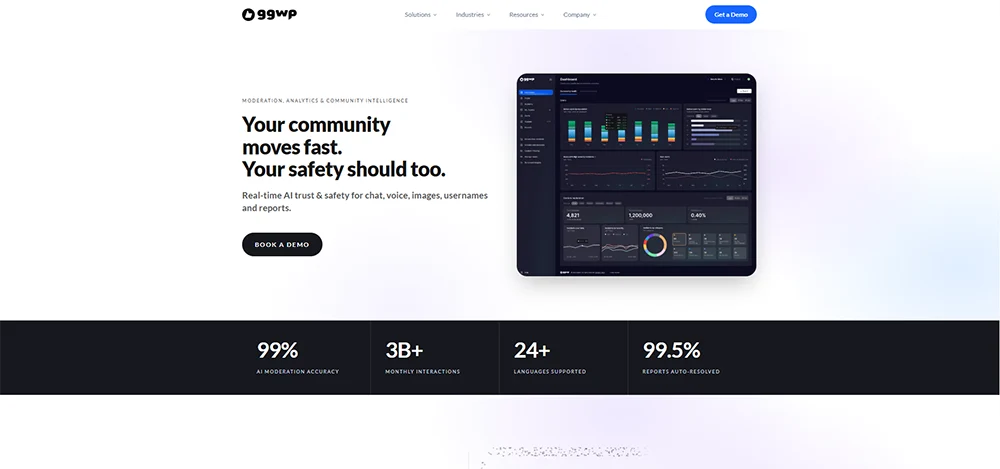
| GGWP | Behavior tracking across text, voice, and player reports | Pay as you go, custom for large studios |
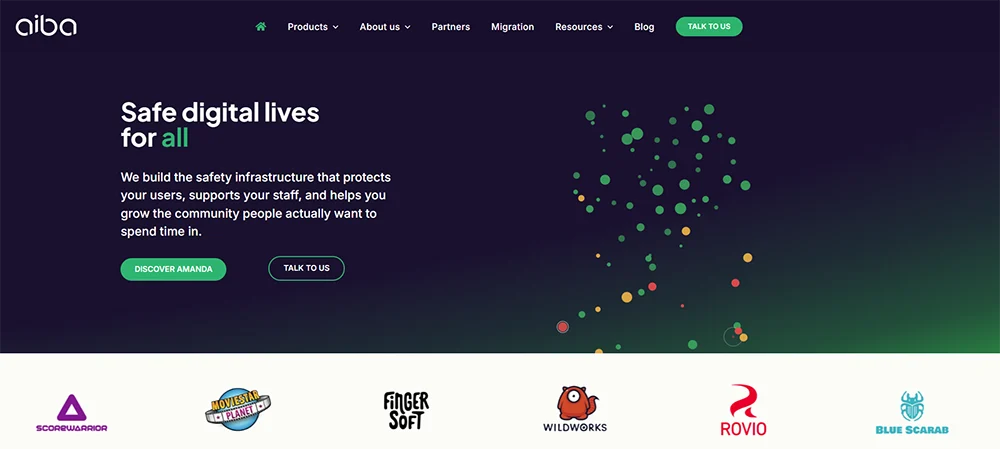
| Aiba | User history and conduct analysis across text and voice, multilingual, with DSA reporting | Custom, scoped to platform size |
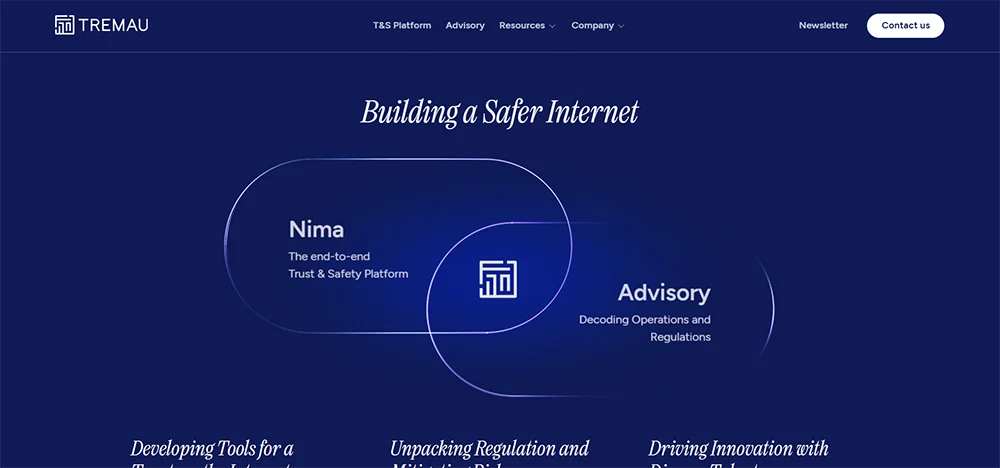
| Tremau (Nima) | End to end DSA and OSA compliance orchestration | Custom |
| Checkstep | Policy enforcement tied to DSA and OSA reporting | Custom, quote based |
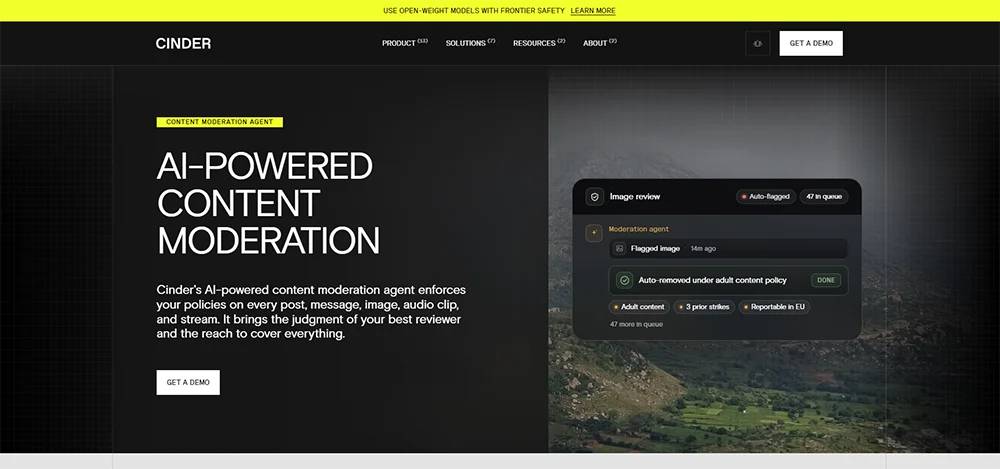
| Cinder | Case management for large scale abuse investigation | Custom, priced on outcomes |
| Lasso Moderation | Workflow and queue management for UGC teams | From $99 a month |
| Musubi | LLM based policy enforcement across content, accounts, and fraud | Custom |
| Bodyguard.ai | Real time hybrid moderation for social and community platforms | Tiered, entry plus custom enterprise |
| Alice | Enterprise AI red teaming and runtime guardrails | Custom |
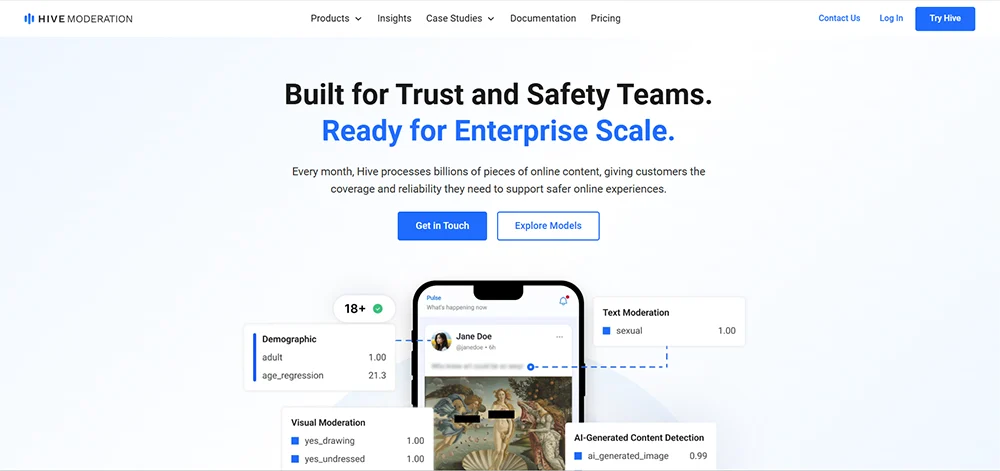
| Hive | Multimodal moderation across text, image, video, and audio, plus CSAM and AI content detection | Usage based, from around $0.50 per 1,000 text requests |
What we ask before recommending anything
Three questions come up every time we help a platform think this through.
How does it handle DSA and UK OSA reporting? Some platforms generate the audit trail natively. Others leave your team to build it afterward.
What happens to the false positives? Every automated system blocks some real users by mistake. The appeals path matters as much as the detection model.
Can the policy team change a rule without an engineering ticket? Platforms that iterate weekly should not wait on a sprint cycle.